
Role Resolve: How Tabletop Roleplay Builds Kids' Confidence
Jul 19, 2026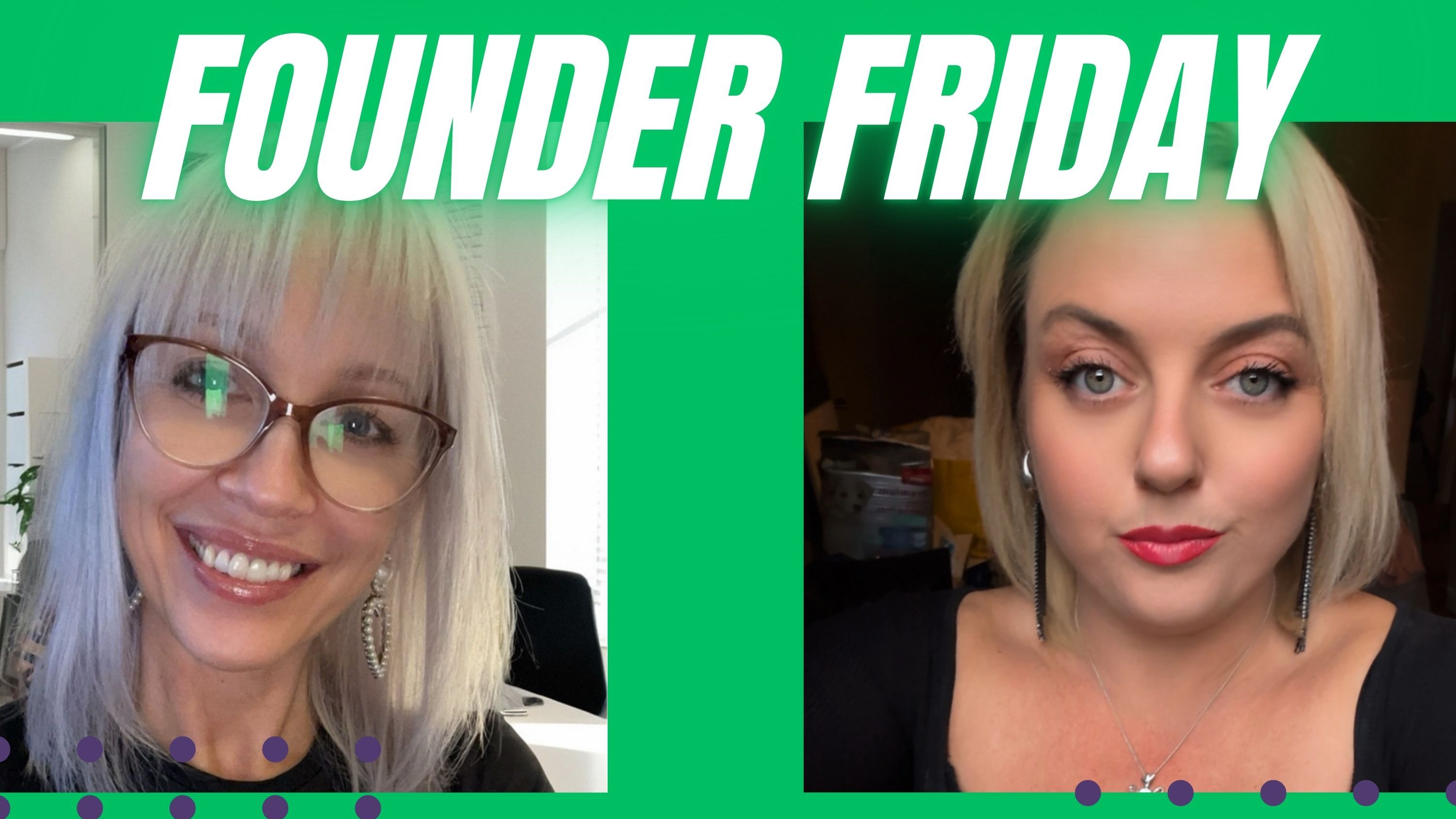
Sharlene Rudd and Vikki Nolan met on the first day of their foundation year at the University of Derby — Vikki turned up late, sat down next to the nearest empty chair, and found her business partner for the next decade.
From Comicon to a Therapy Company
Sharlene and Vikki were training in counselling psychotherapy when they discovered tabletop roleplay games — the Dungeons & Dragons and Warhammer kind. At a Comic Con, they got talking to someone using those games to support ex-veterans in London, and started spotting correlations between tabletop mechanics and therapeutic practice. A university scholarship in their second year let them test the idea: using tabletop roleplay mechanics to build interventions that alleviate social anxiety while incorporating real psychotherapy principles. The results surprised even them — a research paper is still being written up, due by the end of summer.
That research became Role Resolve, the creative therapeutic company Sharlene and Vikki now run as co-founders and directors, delivering six-week interventions that help children build social emotional learning and communication skills, including progress toward EHCP targets, through structured, game-based roleplay.
The stakes are personal. Both founders are late-diagnosed neurodivergent and are raising children awaiting neurodiversity assessments. "We're doing what we do so our kids can have the life that we didn't," Sharlene says, "but it also ties in — we're doing it for all the other kids who have struggled."
What the Data Is Starting to Show
Role Resolve began on testimonials. "We see it every time we run a six-week intervention," Sharlene says. "The kids come in, and how they leave — we literally see that transformation." Over the last couple of months, the pair have built questionnaires for teachers and pupils to measure that impact properly. Over 75% of the children Role Resolve has worked with report growing in confidence, and 100% said they felt more confident speaking out in a group afterwards.
That traction has pushed Role Resolve beyond its two founders. They've built a delivery team, training staff to run interventions in schools. A recent graduate is joining to lead a corporate arm adapting the work for workplace psychological safety, and another to run a Community Interest Company (CIC) extending the interventions to home-schooled children and children in care.
Built on Trust
Ask Sharlene and Vikki what makes them work as co-founders, and they point to trust before skill. "We have very similar core values," Sharlene says, "very positive, optimistic, hard-working." Entrepreneurial life can be isolating, and the friendship gives them a safe space from the overwhelm that comes with it.
"You can unmask and be yourself around that person — it's quite a rare thing to find in someone." — Vikki Nolan
That doesn't mean they always agree. "We have a heated debate, disagree, work through it — and then walk out and get a coffee three and a half minutes later," Vikki says. Their University of Derby enterprise advisor, Oliver, has been a constant supporter since their scholarship research — and Role Resolve went on to win the People's Choice award at Derby's Game Changers competition, where they first connected with Canopy.
Alongside Role Resolve, Vikki is weeks from launching Inspira, a community app for female founders, built after her own experience of isolation in earlier direct sales work.
Advice for First-Time Founders
- Choose passion over comfort — "you've got to be prepared to live how some won't, so you can live how others can."
- Build your cheerleading network before you need it — your support system for hard days and for celebrating wins.
- Repair conflict fast, and don't let disagreement fester.
- Pick a co-founder you trust enough to unmask around.
- Measure your impact early — testimonials open doors, but data keeps them open.
Why This Story Matters
Role Resolve shows founder-market fit can come from your own life story as much as a market gap — two neurodivergent mums building the support they wished they'd had, then proving it with data. It's a case study in how far conviction and low-cost validation can carry a founder before a fundraise ever enters the conversation.
For more Founder Friday episodes, subscribe to our YouTube channel at youtube.com/@canopycommunity617.
Canopy Community is a global entrepreneurship platform supporting first-time founders through virtual incubation, investor circles, and Demo Nights across the UK, Portugal, India, and Turkey. We believe entrepreneurship is a route to social mobility — and that there are many origin stories behind the founders building tomorrow's companies. Learn more at canopy.community.
We're about to launch series 5 of the Founder Friday podcast. If you'd like to support this series, go to https://www.buzzsprout.com/1636093/support.
#FollowYourDreams #NeverStopLearning #Tribe #IfNotNowThenWhen