
From Working Mum to Student Founder: Helen’s UniDays Accelerator Journey
Mar 04, 2026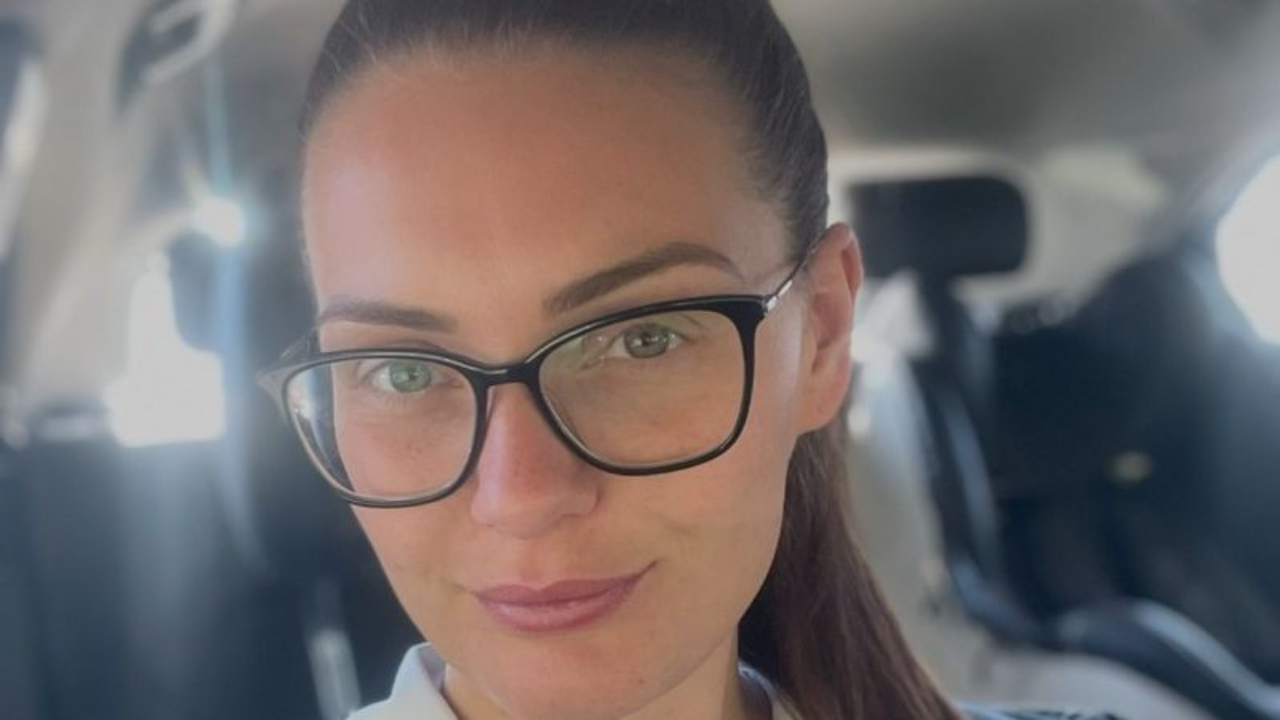
At Canopy Community, we believe entrepreneurship should feel open, not intimidating. It should be founder-friendly. It should support social mobility. And it should meet you where you are.
Helen Conway’s journey through the UniDays Student Accelerator is a powerful example of what that looks like in practice.
Helen is a full-time children’s nursing student. It’s her third degree. She already holds qualifications in psychology and speech and language therapy. She’s also a busy working mum with seven children.
And now, she’s building a startup.
An Idea Built from Real Life
Helen’s business idea is called Pat the Poo Log — a new Christmas tradition designed to reduce stress for parents and give children more responsibility.
Instead of adding pressure like Elf on the Shelf, Pat shifts the focus. Families receive a starter kit that includes Pat (a textured log character), felt food pieces, tapping sticks, a blanket, glitter and a storybook.
Throughout December, children feed and care for Pat, similar to an advent calendar ritual. On Christmas Eve, they tap along a musical ridge on his back, sing a song and sprinkle “magic.” Overnight, Pat “poos” out presents as a thank you for being looked after.
It’s imaginative. It’s playful. And it’s inclusive. Helen has designed it to work well for children with additional needs, with tactile textures and musical elements that support sensory engagement.
This is what strong founder-market fit looks like. The idea comes from lived experience. From family life. From professional insight. From empathy.
For undergraduate students thinking about launching something, this is important: your best ideas often sit inside your real world.
From Idea to Structure
Before joining the UniDays Student Accelerator, Helen had the idea and a prototype. But she felt uncertain about how to move it forward.
The programme gave her structure.
Through the core content, she began thinking more clearly about her plan. She started refining the product. She began organising a focus group to gather real-world validation. Instead of just believing in the idea, she is now testing it.
This shift — from “I think this is good” to “Let’s gather data” — is the move from concept to early-stage startup thinking.
That’s what a virtual startup accelerator programme can offer. Not just inspiration, but clarity and momentum.
The Power of Peer Support
The UniDays Accelerator is built around three pillars:
-
Structured core content
-
Access to expert mentoring
-
A peer founder community
For Helen, the peer support has been the most powerful part.
As a student Founder without market validation yet, it’s easy to doubt yourself. Being part of a startup founder community changed that. Speaking to others building their own ideas made her feel less alone. Less uncertain. More confident.
The group shared surveys. Offered feedback. Asked for advice. Gave support.
This is why peer support matters so much in early-stage startup support. Entrepreneurship can feel isolating, especially as a student. Community reduces that isolation. It normalises uncertainty. It builds confidence.
For undergraduate Founders in London, Lisbon, Boston, Bangalore or Singapore, the reality is the same: building with others is easier than building alone.
Entrepreneurship and Social Mobility
Helen almost didn’t apply. She’s busy. She studies. She works. She parents. But the programme felt designed for someone like her.
That matters.
Entrepreneurship can feel like a closed world — full of jargon, investors and risk. Programmes like UniDays make it accessible. Flexible. Structured around student life.
That’s social mobility in action.
You don’t need to have everything figured out. You don’t need a finished product. You don’t need investment secured. You need willingness to start and a space that supports you to grow.
Helen applied. She made the Top 100.
From Belief to Investment Readiness
Now, Helen is taking real steps toward validation. She’s setting up focus groups. She’s refining the product. She’s thinking critically about feedback.
That’s how investment readiness begins. Not with a pitch deck. With evidence.
Her advice to other students considering applying?
Do it.
If you don’t, you’ll always wonder what would have happened. Even if you discover you’re not ready yet, that clarity is valuable. Better to understand your gaps early than walk into the real world unprepared.
That mindset — open, reflective, growth-focused — is what builds strong Founders.
Shooting Her Shot
The UniDays Accelerator culminates in a final pitch event. When asked if she sees herself pitching in the Top Ten, Helen didn’t hesitate.
She said she would shoot her shot.
Her children have been involved in the journey. One even contributed an idea to the product. For Helen, this isn’t just about building a business. It’s about modelling possibility.
She wants to show her children that education and entrepreneurship can sit side by side. That you can build something from scratch. That you can test yourself. That you can try.
That belief — “the time is now” — is the turning point in every Founder journey.
Helen’s story reminds us that startups don’t begin in boardrooms. They begin in kitchens. In cars between school runs. In notebooks beside lecture notes.
If you’re an undergraduate with an idea sitting quietly in your head, this is your nudge.
Find structure. Find peer support. Test your thinking. Gather validation.
And shoot your shot.
Reach out to Helen on Linkedin https://www.linkedin.com/in/helen-conway-0195083b0/
Watch the full interview back https://www.youtube.com/watch?v=_9Mt0c0Q7W4