
Meet Mara: Building Real-World Connection Through the UniDays Startup Programme
Mar 04, 2026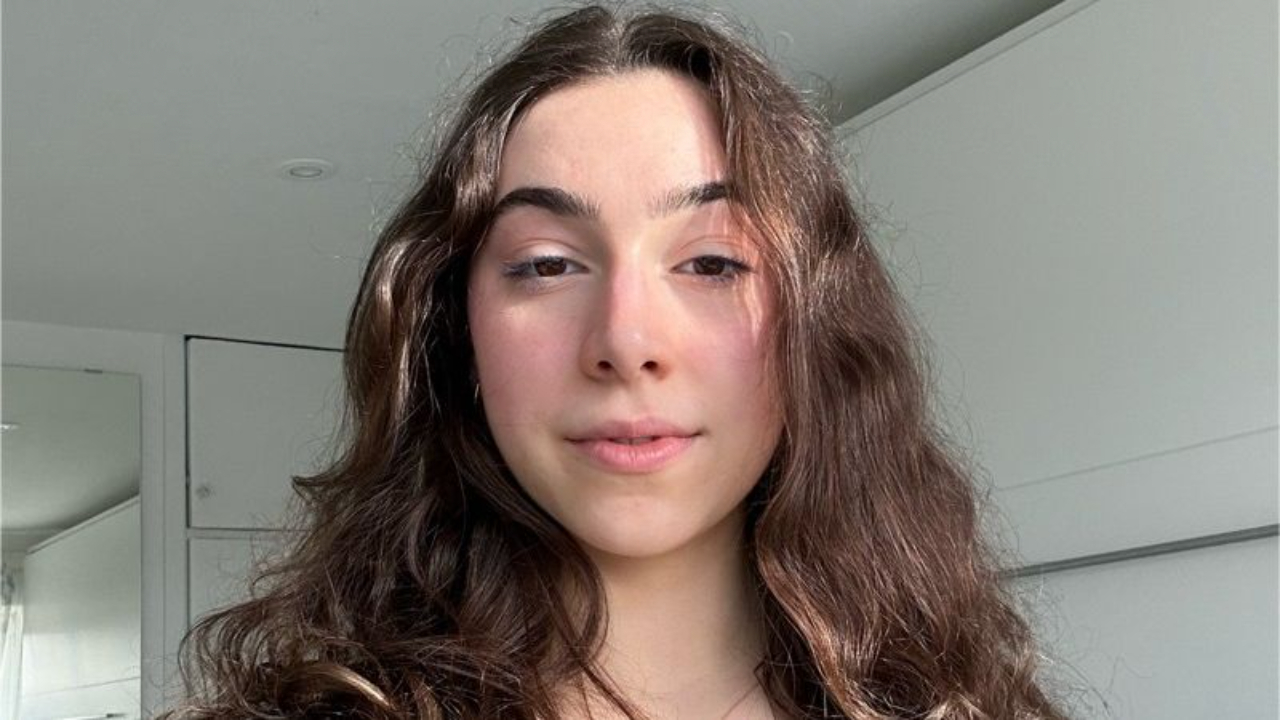
Some founders build apps.
Some build platforms.
Mara is building something more fundamental: real-world human connection.
As a master’s student at the London Interdisciplinary School, Mara joined the UniDays Startup Accelerator as part of the Top 100 founders. Her idea is clear and deeply relevant: helping people connect in real life and form deeper, more meaningful relationships.
In a world shaped by screens, that feels both bold and necessary.
Turning an Idea Into Action
Before joining the programme, Mara had already immersed herself in startup content. Podcasts. Articles. Founder stories. She felt she understood the direction she wanted to go.
What she didn’t expect was how powerful structured action would be.
Having clear weekly tasks, focused frameworks and practical steps changed everything. Instead of passively consuming ideas, she was applying them. Instead of circling around the concept, she was stress-testing it.
That shift — from thinking to building — is often the biggest leap for student founders.
Why Structure Beats Overthinking
As undergraduates and postgraduates, you are trained to analyse deeply. To question. To critique. That skill is powerful.
But in entrepreneurship, analysis without execution becomes paralysis.
Mara found that the structured content in the accelerator pushed her to examine her idea from different angles. It helped her identify gaps. It forced decisions. It gave her a process to follow rather than letting the idea live only in her head.
When you are building your first startup, clarity creates confidence.
Entrepreneurship Is Personal
One of the most striking parts of Mara’s journey is how openly she speaks about the emotional side of entrepreneurship.
She comes from an entrepreneurial family. Growing up, she was often around big ideas, ambitious thinking, and creative plans. But that also came with instability and uncertainty.
As a result, she developed a highly analytical mindset. She learned to question ideas. To spot weaknesses quickly. To doubt.
When she began building her own startup, she realised how much she was attacking her own thinking before giving it space to grow.
Entrepreneurship has a way of bringing your strengths and weaknesses into the spotlight. It exposes self-doubt. It surfaces resilience. It forces you to confront your own patterns.
For Mara, that realisation has been transformative.
The Video Postcard Moment
One exercise in the programme asked founders to record a short video message to their future selves — imagining they had reached the final stage and reflecting on what success would look like.
Mara almost cried while recording hers.
Not out of fear. Not out of pressure. But out of compassion.
She realised how young she had been when she first absorbed the instability around big ideas. She recognised that the responsibility she felt back then was not fully hers to carry.
That moment of self-awareness shifted something.
Entrepreneurship is not just about product-market fit. It is about self-belief. It is about separating your past from your present. It is about choosing to build anyway.
From Idea to MVP
Right now, Mara is a solo founder.
She knows that building alone is challenging. Mentorship has helped her see beyond her own perspective. Peer conversations have reminded her she is not the only one navigating uncertainty.
Her next steps are practical:
-
Add stronger structure to the idea
-
Test assumptions properly
-
Build a simple MVP
-
Gather real-world feedback
She has already experimented with no-code tools in previous projects, which helped her move from abstract thinking to visible decisions. Seeing something tangible on a screen changes how you evaluate your own idea.
For student founders, this is a key lesson: you learn more from building something imperfect than from imagining something perfect.
Her Advice to Students With Ideas
If you are sitting on an idea at university, wondering whether to act, Mara’s advice is simple:
Talk to people.
For a long time, she believed you shouldn’t share an idea until it was fully formed. That belief kept her quiet.
Now she sees that early conversations are fuel.
When you speak openly, you:
-
Discover how people actually react
-
Identify who your real customers might be
-
Uncover unexpected connections
-
Build confidence through dialogue
Most people are not looking to steal your idea. They are looking to connect, collaborate, or help. And if someone could execute it better than you, that is a useful signal — not a threat.
Progress happens in conversation.
What Mara Represents
Mara represents a generation of founders who are reflective, emotionally intelligent, and willing to do the inner work alongside the external build.
She is not chasing hype. She is chasing depth.
She is not waiting for perfection. She is choosing iteration.
She is not hiding her idea. She is testing it publicly.
For undergraduate students across London, Lisbon, Boston, Bangalore and Singapore, her journey is a reminder that entrepreneurship is not reserved for people with decades of experience.
It is available to you now.
You do not need to have everything figured out.
You do need to be willing to start.
And like Mara, you might discover that building a startup is not just about changing the world around you — it is also about reshaping the way you see yourself.
Connect with Mara on Linkedin https://www.linkedin.com/in/maralouisejames/
Watch the full interview back https://www.youtube.com/watch?v=kHIfzZM2cQU